Proper care is essential: managing your system correctly can save you from costly repairs or even a full replacement. Think of it as your personal sewage treatment plant right in your yard. It uses natural bacteria to treat wastewater and safely return clean water to the groundwater supply.
Understanding Your Septic System
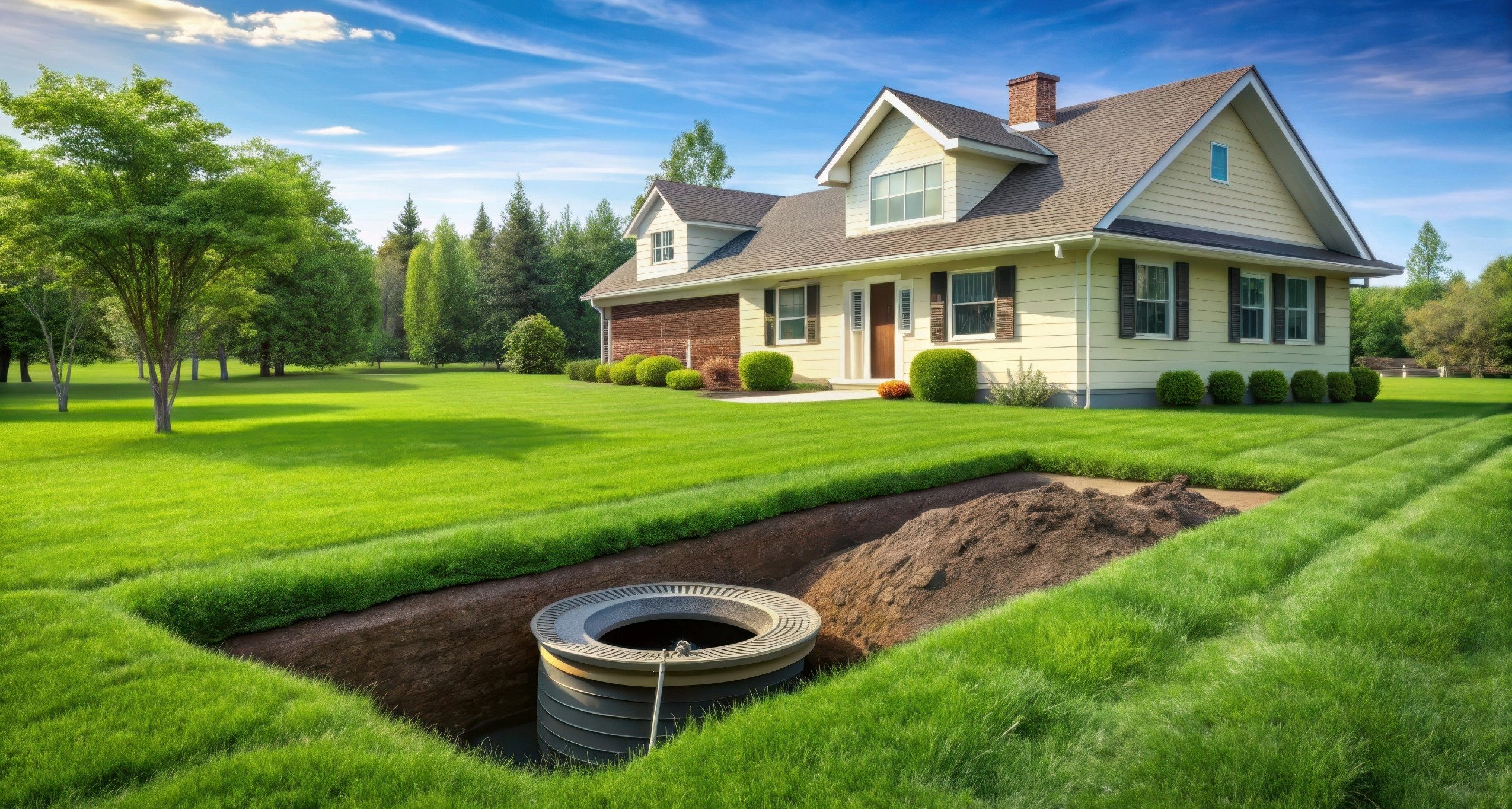
1. The Basics
- Know where your septic tank and septic field are located in your yard. If you don’t know, contact the Department of Health to get a copy of your records.
- Do not flush anything in the toilet but human waste and toilet paper.
- Do not put the following down the drain:
- Fats, oils, or greases. This is one of the major causes of failures. Put these in the trash.
- Paint, petroleum, or other hazardous materials. The Solid Waste Management District will take these for free.
- Unused medicine of any kind. Put these in the trash.
- Don’t build anything (such as a sidewalk or garage) over your septic tank or field.
- Don’t plant trees near your system; they will clog the pipes and the field system.
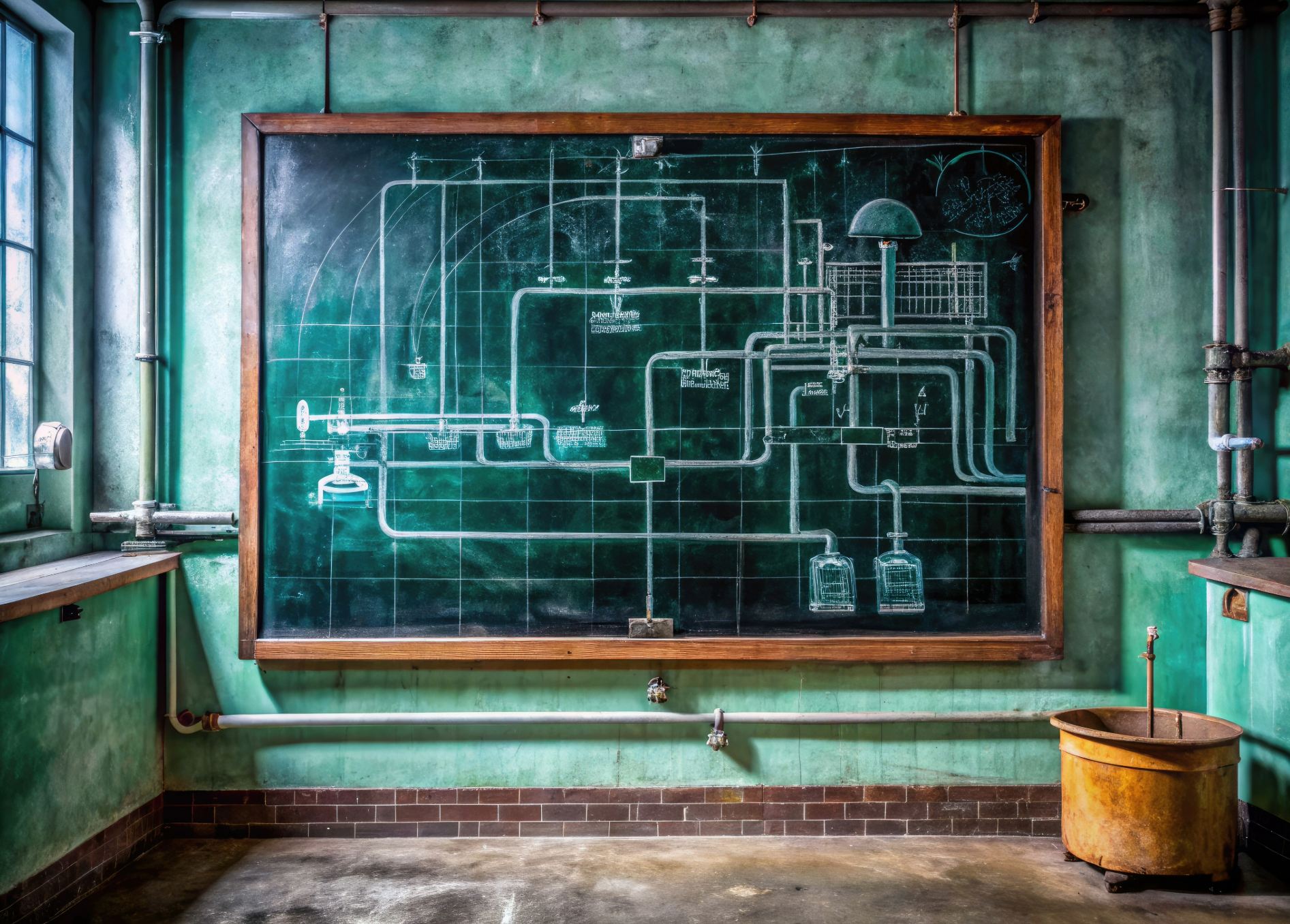
2. How it works...typically.
-
All wastewater from your home travels through pipes into a concrete septic tank located in your yard. A vertical plastic access pipe, usually about one foot in diameter, allows for inspection and maintenance.
-
Inside the tank, bacteria begin breaking down waste. Heavy solids settle to the bottom, while oils, fats, and grease form a floating layer on top.
-
The liquid between the solids and scum flows into a distribution box, which evenly directs it to each of the drainfield trenches.
-
Drainfield trenches are typically around three feet wide and 50 feet or more in length, made of perforated pipe surrounded by rock or plastic chambers. Bacteria in the trenches and surrounding soil further treat the wastewater.
-
As the liquid continues to percolate through the soil, it is naturally filtered before eventually reaching the groundwater.
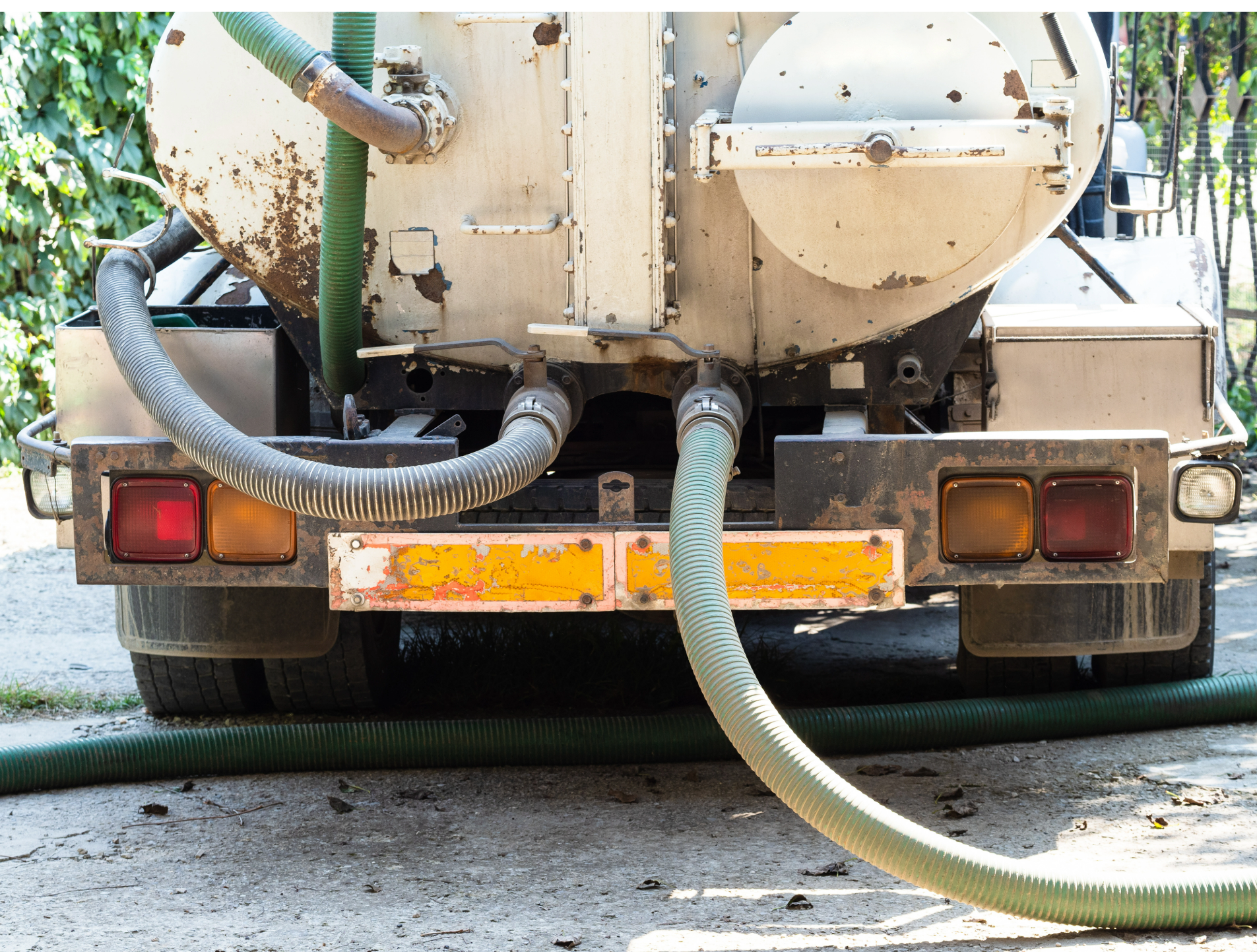
3. Maintenance
- Have your system inspected every 3 years by a septic service professional. Expect to pump out the system every three years or less.
- Use water Efficiently: Efficient water use improves the operation of a septic system and reduces the risk of malfunctions.
- Properly dispose of waste: Drains are not trash cans!
- Maintain the drainfield: do not park or drive over it, keep plants and tress an appropriate distance away, keep roof drains, sump pump and other drainage systems away.
- Here is a link to our recommended Septic Professionals: Link
4. What NOT to put down the drain.
- Cooking grease or oil
- Non-flushable wipes, such as baby wipes or other wet wipes
- Photographic solutions
- Feminine hygiene products
- Condoms
- Dental floss
- Diapers
- Cigarette butts
- Coffee grounds
- Cat litter
- Paper towels
- Pharmaceuticals
- Household chemicals like gasoline, oil, pesticides, antifreeze, and paint or paint thinners
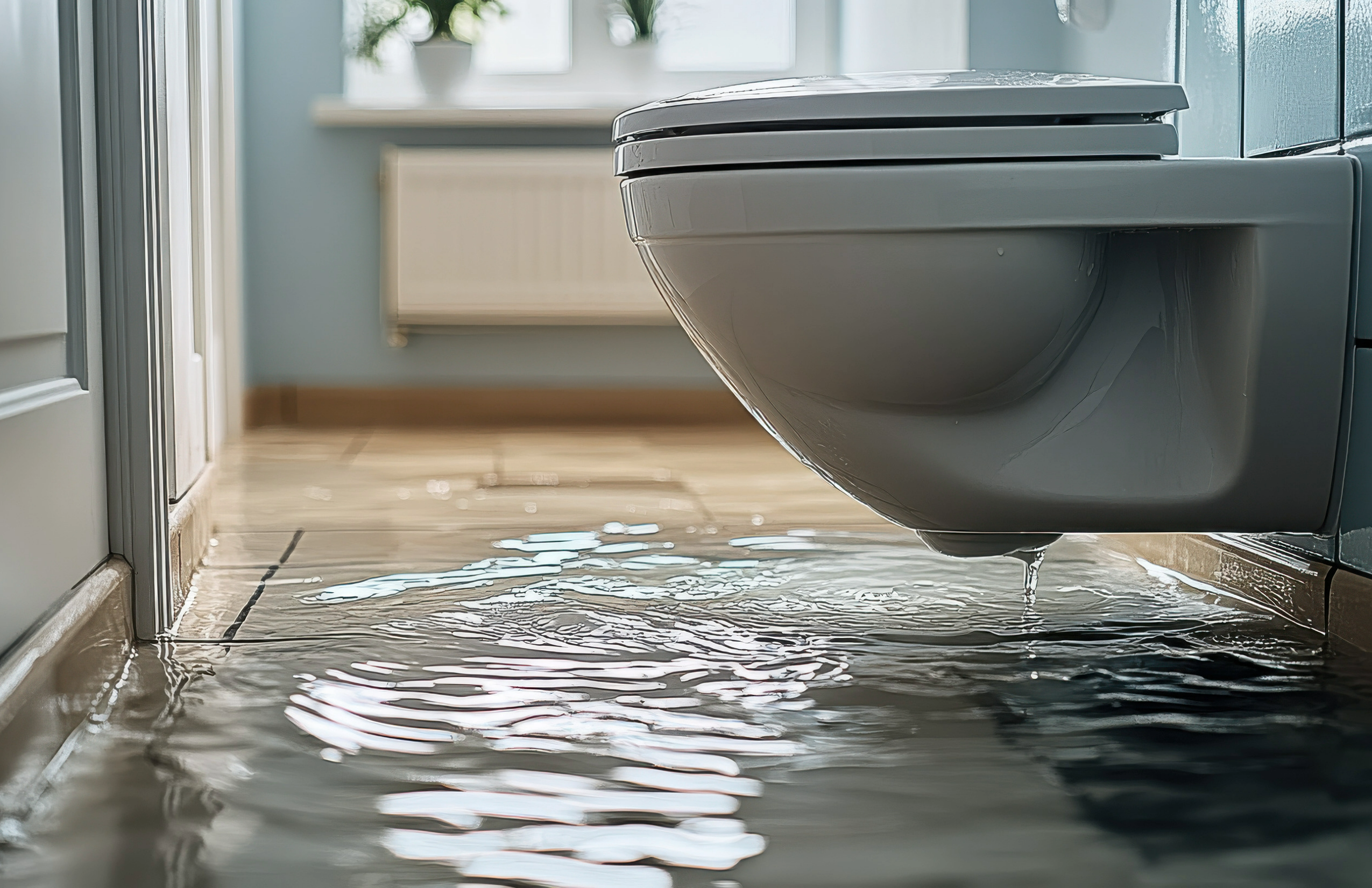
5. Common signs there may be an issue with your septic system
- Water and sewage from toilets, drains, and sinks backing up into the home’s plumbing
- Bathtubs, showers, and sinks draining very slowly
- Gurgling sounds in the plumbing system
- Standing water or damp spots near or over the septic tank or drainfield
- Sewage odors around the septic tank or drainfield
- Bright green, spongy lush grass over the septic tank or drainfield, even during dry weather
- Straight pipe discharging untreated wastewater to the ground surface
- Algae blooms in nearby lakes or waterbodies
- High levels of nitrates or coliform bacteria in surface waters or drinking water wells
.png)
6. Who is responsible?
- It is your responsibility to manage your septic system, and if it fails, the Department of Health will require that you replace the system. This will be costly and MUST be done by a licensed professional. The Department of Health can provide you with much more useful information. Please call (574) 235-9750 for more information or to speak with an Environmental Health Specialist.